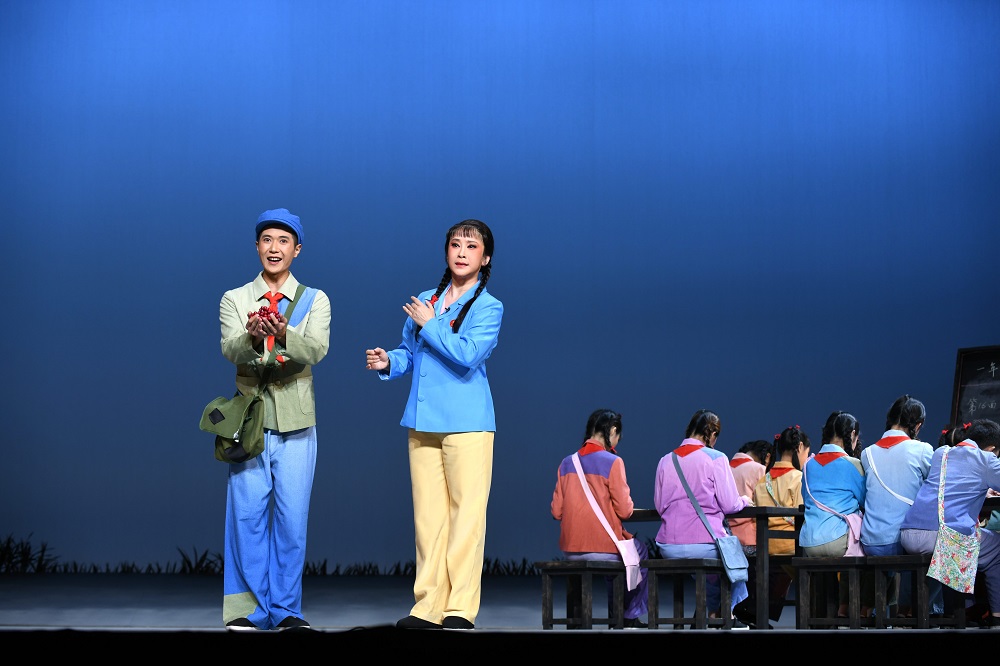
Teochew Opera
Introduction
Teochew Opera, also known as Chaozhou Opera, is a traditional Chinese opera originating from the Teochew (Chaozhou) region in Guangdong province.
It is popular in China's Guangdong, Fujian provinces and Southeast Asia. In the long history of its development, Chaozhou Opera incorporates the essence of local folk art, which enriched its artistic contents and forms, and helped it become a special style. It was selected in the first batch of national intangible cultural heritage in 2006.
This opera genre is characterized by its distinct linguistic, musical and performance elements. Its prevalence in countries like Thailand, Malaysia and Singapore is a testament to its cultural significance among the Teochew diaspora.
Historical Background
Teochew Opera has a history spanning several centuries, evolving through various dynasties in China. Originating from the folk songs and dances of the Teochew region, it embodies the local dialect, musical instruments, and unique performance styles. During the Qing Dynasty (1644-1911), it began to take its modern form, incorporating aspects of literature and drama.
The migration of Teochew people, especially during the late 19th and early 20th centuries, played a crucial role in the dissemination of Teochew Opera to Southeast Asia. These communities maintained their cultural heritage by continuing to perform and develop Teochew Opera abroad.
Performance and Cultural Significance
Teochew Opera is renowned for its elaborate costumes, expressive make-up and symbolic gestures. Performances typically involve stories drawn from classical Chinese literature, folklore and history. The opera "Luo Shen" (The Goddess of the Luo River) exemplifies the rich narrative tradition of Teochew Opera, combining mythology with artistic performance.
The elaborate preparation process for each performance, including costume preparation and makeup application, underscores the dedication and craftsmanship involved in Teochew Opera. Performers often need to adapt to challenging conditions, such as performing on makeshift stages and living in temporary accommodations during tours.
Teochew Opera in Thailand
Thanks to a vast number of Chinese immigrants who spread the Teochew dialect across Southeast Asia, Teochew Opera used to be a popular form of entertainment in Thailand.
The Qing Nang Yu Lou Chun troupe, with over 80 years of history in Thailand, exemplifies the cultural integration and persistence of this art form. At its peak, the troupe boasted over 100 performers and attracted thousands of spectators per show, highlighting its popularity and cultural resonance within the Thai-Chinese diaspora.
Despite its historical significance, the contemporary audience for Teochew Opera in Thailand is dwindling, primarily comprising older Thai-Chinese individuals.
Preservation Efforts
The survival of Teochew Opera faces significant challenges due to declining actor numbers and audience interest. Efforts to preserve this cultural heritage are underway. Cultural institutions and enthusiasts strive to keep this tradition alive, recognizing its cultural importance and artistic value.








